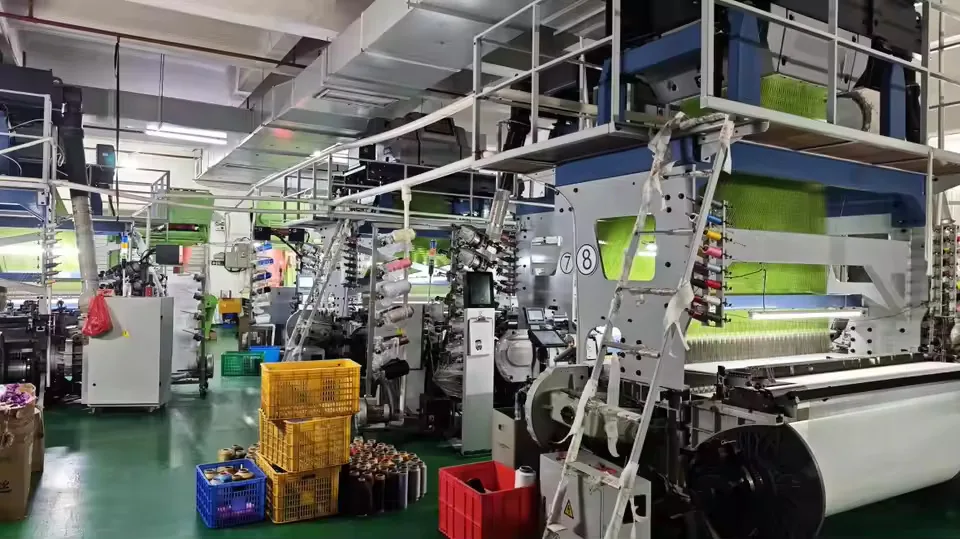
Computer weaving line
Woven labels, woven patches and woven key tags begin with artwork translated into yarn structure.
Buyer inputs: finished size, artwork detail, yarn colors, fold or edge route.
Founded in 2014, SAIM Label runs seven garment-trim processes in Dongguan. This page follows real workshop photographs through weaving, embroidery, cutting, folding, finishing, sample checks and finished-piece examples.
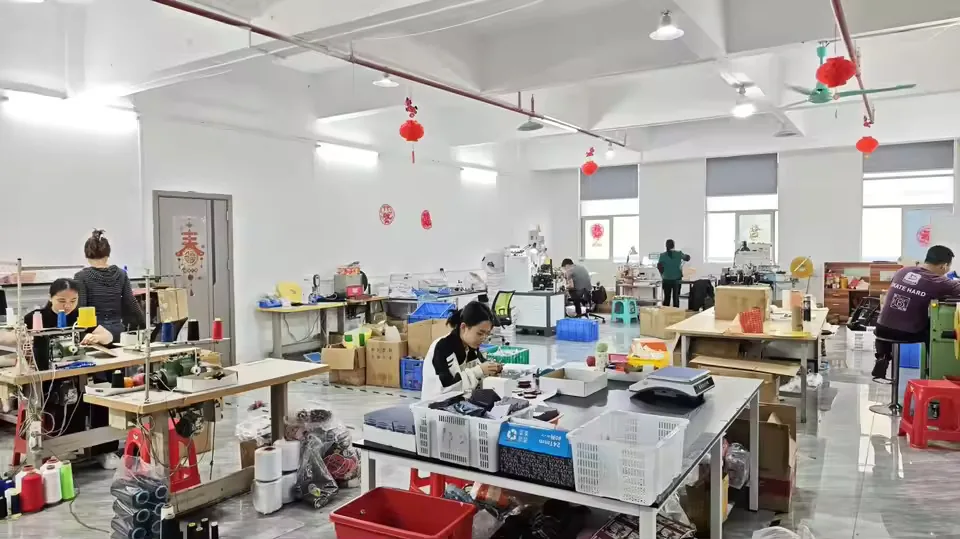
The right route follows the artwork: woven construction for flat fine detail, embroidery for raised stitch texture.
Woven labels, woven patches and woven key tags begin with artwork translated into yarn structure.
Buyer inputs: finished size, artwork detail, yarn colors, fold or edge route.
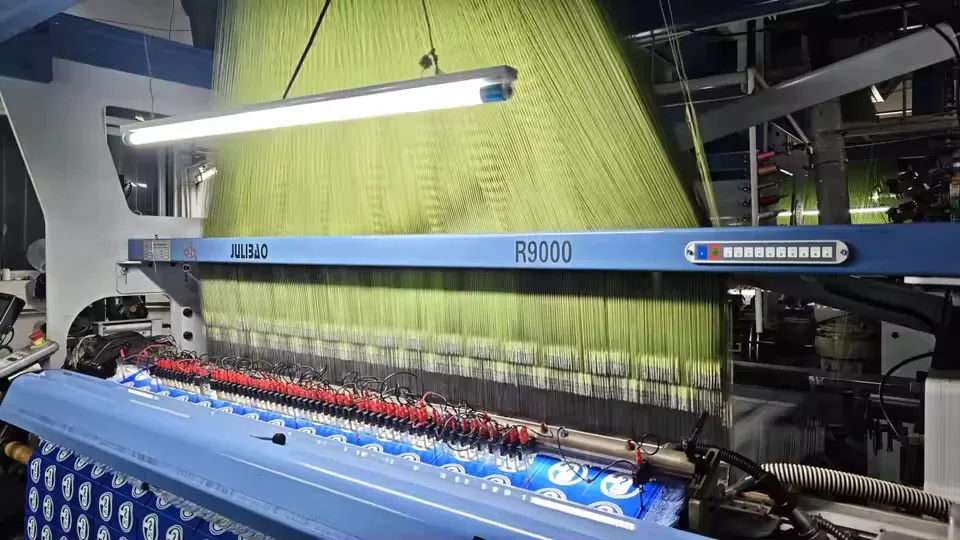
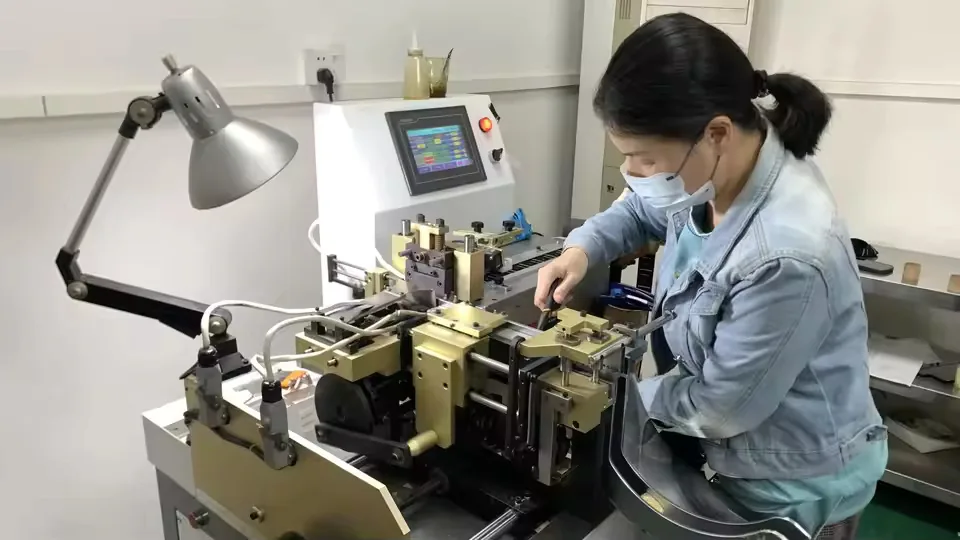
The close view shows the yarn-fed weaving route used for flat, high-detail trim constructions.
Buyer inputs: minimum text size, weave density, face and reverse requirements.
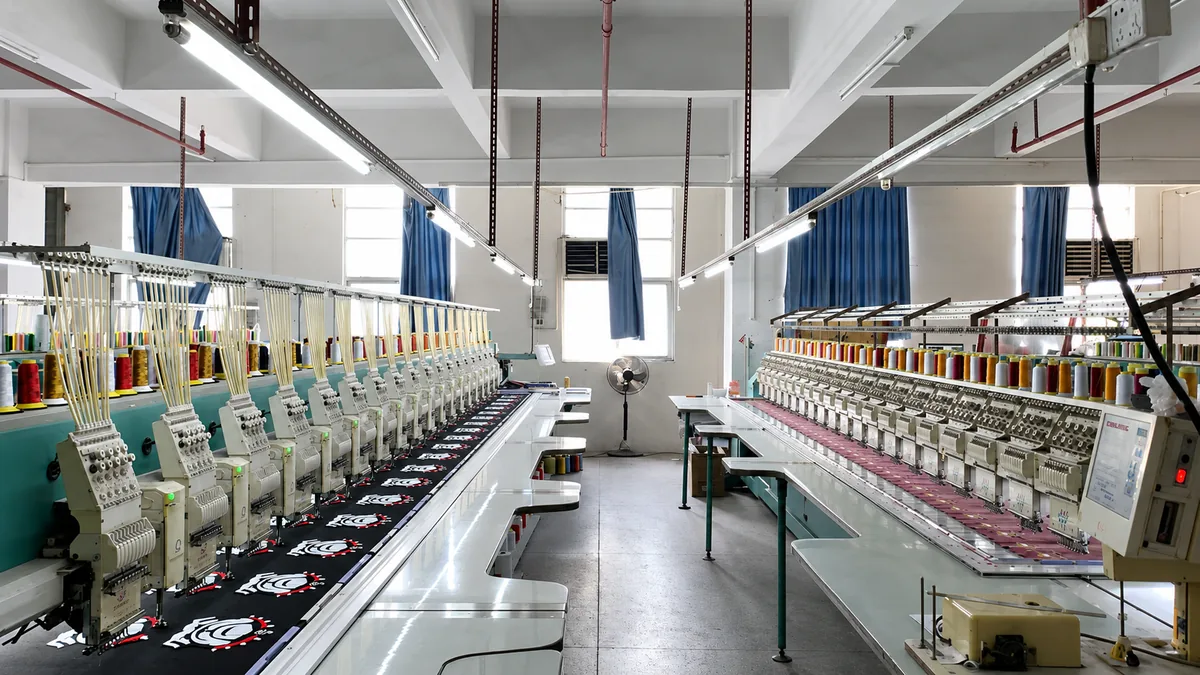
Embroidery builds raised stitch texture for badge-style patches and embroidered keychains.
Buyer inputs: patch size, stitch coverage, backing, border and thread colors.
Not every product uses every machine. The approved construction determines whether the order needs laser cutting, ultrasonic slitting, automatic folding or manual edge finishing.
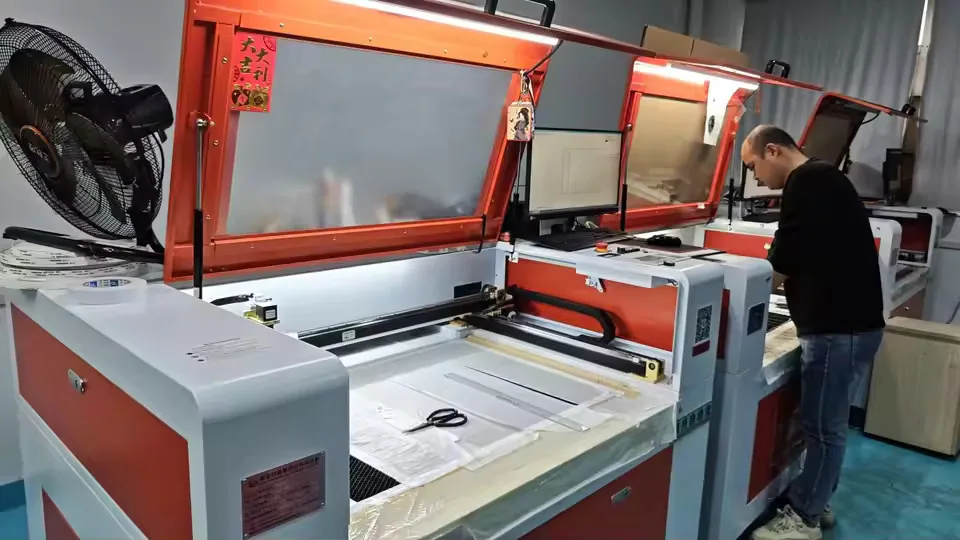
Custom contours and irregular patch shapes are cut to the approved outline.
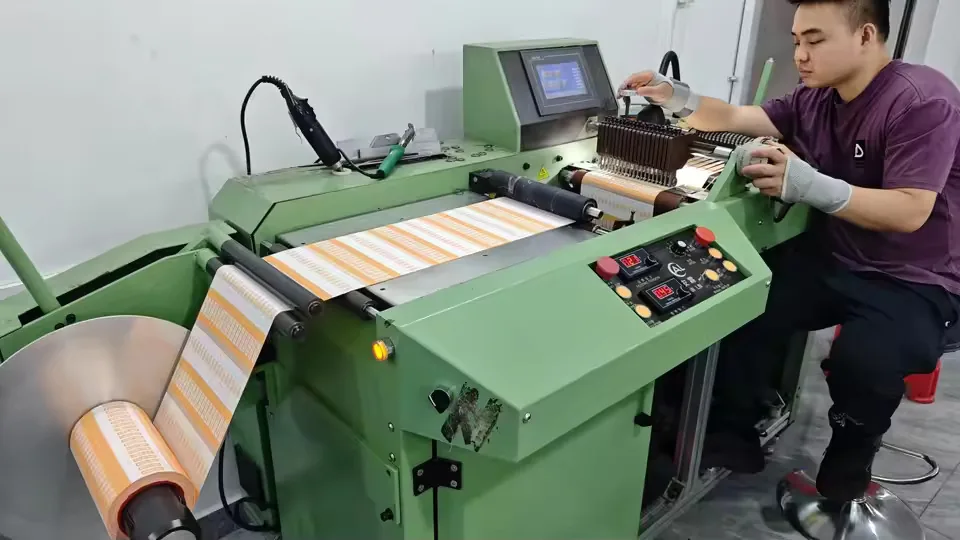
Ultrasonic processing creates sealed cut edges on suitable woven goods.
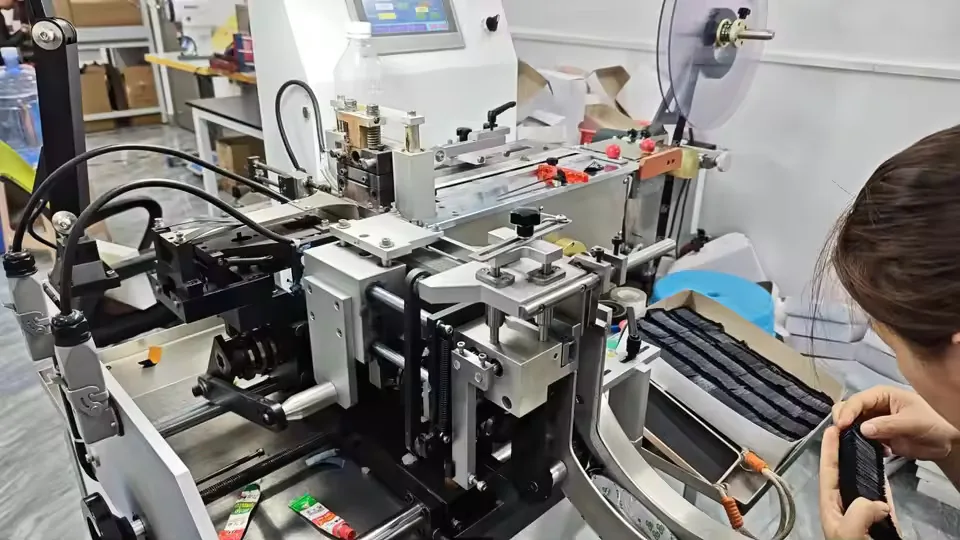
Approved fold type and finished dimensions guide the label-folding route.
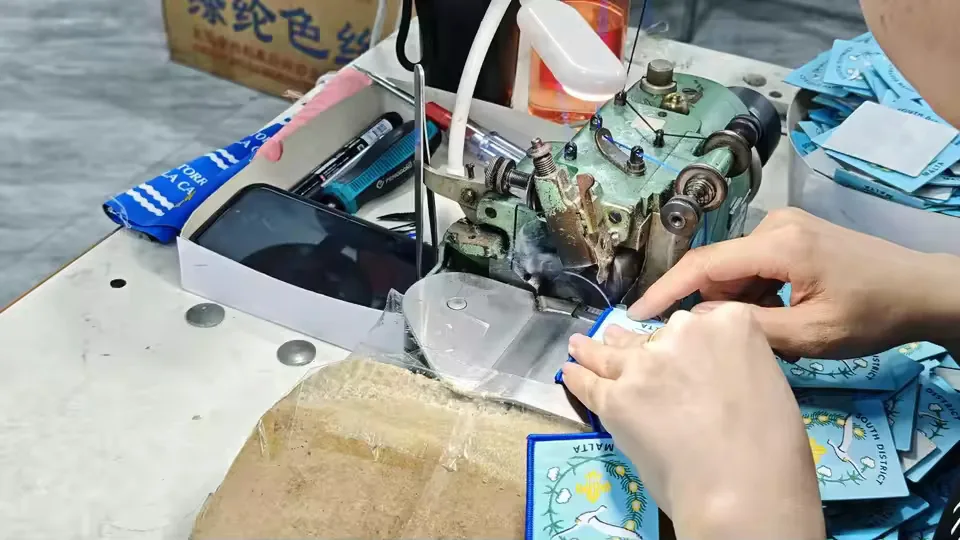
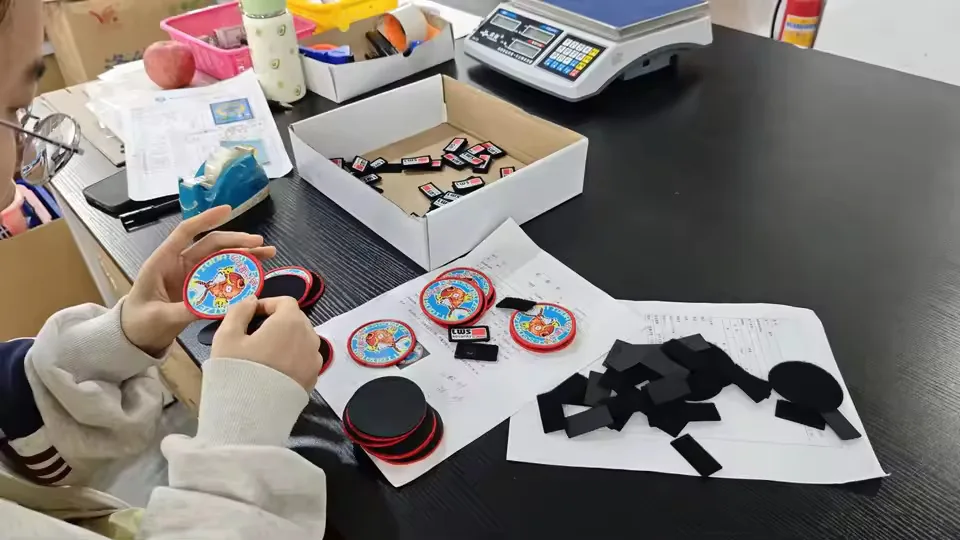
Manual finishing handles edge, attachment and final-detail operations that depend on the product.
52 seconds of the real floor — weaving, cutting and finishing in Dongguan.
The core line. Artwork is translated to yarn and woven as damask, satin or taffeta labels, patches and keychain bodies.
Care labels and printed satin or nylon labels with composition, size and wash data.
Flat color prints on labels and tapes where woven yarn is not the right route.
Raised stitch texture for badge-style patches and embroidered keychains.
Tagless transfer labels applied directly to fabric for skin-contact positions.
Clean sealed edges on woven goods without fraying.
Custom patch shapes and fine contours cut to the artwork outline.
Approved designs, yarn choices and machine settings stay in the ERP so repeat orders can follow the recorded setup.
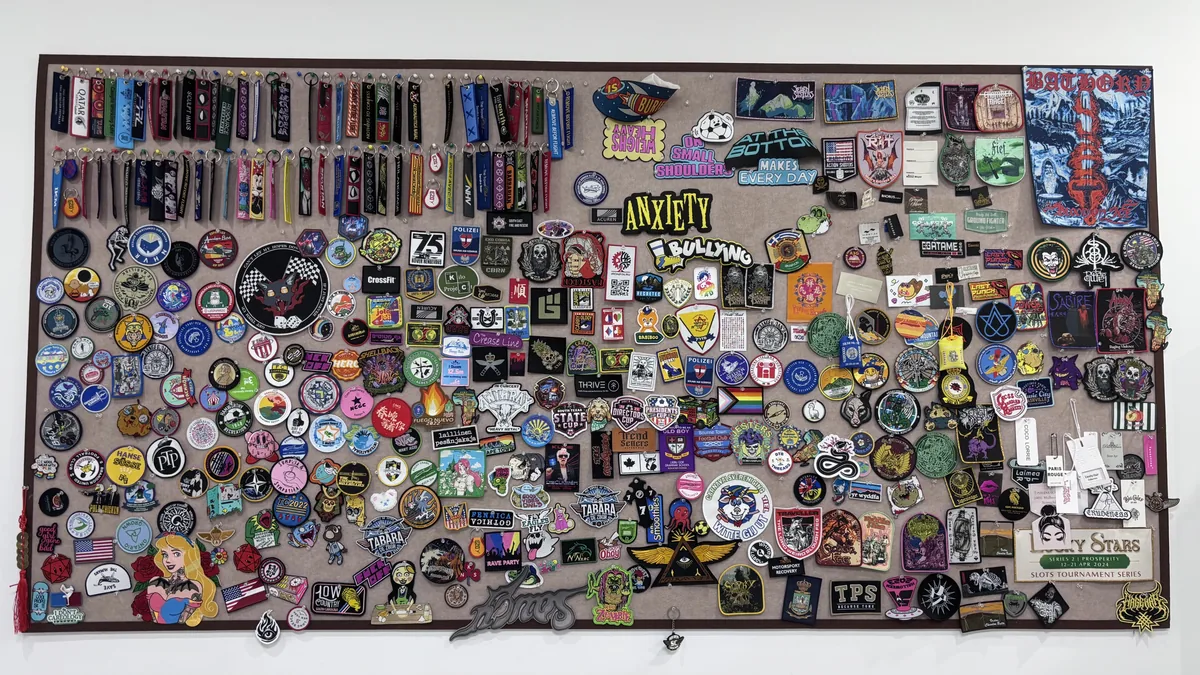
The sample wall brings together labels, patches, key tags and related trims. Use the full gallery to compare constructions before preparing an RFQ.
Send artwork and a product list — we reply with the right process route and tiered pricing.